Understanding Postal Indicia: A Complete Guide
By Martin C | June 17, 2026
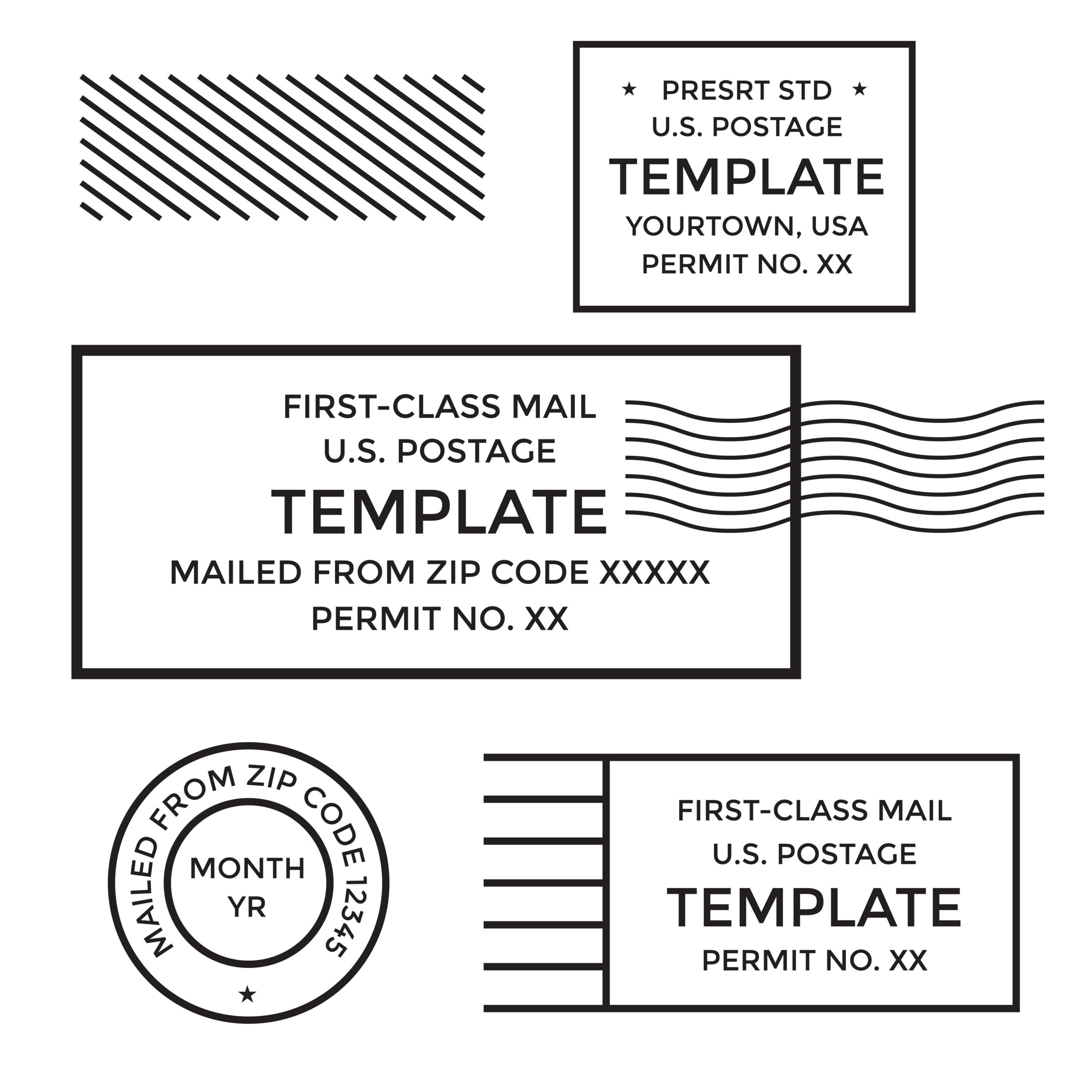
A postal indicia (pronounced in-DEE-shah; the plural is also indicia) is a preprinted postage marking that appears in the upper-right corner of a mailpiece in place of a stamp or meter imprint. It tells the postal system that postage has already been authorized and paid from a permit account. The word comes from Latin, where “indicia” means “marks” or “signs,” and in USPS regulations, it refers to any marking that shows postage is prepaid. If you mail at volume, the indicia is what replaces hundreds or thousands of individual stamps with a single printed block. That’s the whole idea: one marking, one account, no stamps to apply by hand.
Indicia vs. Stamps vs. Metered Mail: When Each Applies
The fastest way to understand a postal indicia is to compare it to the two other ways you can pay for postage. Each one fits a different volume and a different job.
| Option | Permit required | Volume | Cost profile | Ideal use case |
|---|---|---|---|---|
| Stamps | No | No minimum | Retail rate per piece | Personal or low-volume business mail |
| Metered mail | Meter lease | About 50 to 500 pieces | Slightly below retail | Variable-weight pieces and flexible runs |
| Indicia (permit imprint) | Yes (USPS permit + advance deposit account) | 200 pieces or 50 pounds minimum | Lowest cost per piece at volume | High-volume, identical-weight mailings |
A few differences matter here. Stamps carry no permit and no minimum, so they work for one piece or fifty. Metered mail prints a specific dollar amount and date from a leased postage meter, which makes it flexible for pieces that vary in weight. An indicia prints no dollar amount and no date on the piece. Instead, it points to a permit account, and the postage is deducted when you present the mailing. To use a permit imprint, all your pieces must be identical in weight so the USPS can verify the count.
Here’s the simple rule of thumb:
Ready to go deeper? See our companion guide to permit imprint costs and compliance for high-volume mailers to weigh the economics for your program. (internal link TBD)
Choose the Right Indicia Type for Your Volume
“Indicia” is an umbrella term. Three formats show up most often, and knowing the difference helps you pick the right one.
1. Permit imprint. This is the most common type for high-volume commercial and nonprofit mailers. It’s printed directly onto the mailpiece, with no physical meter or stamp involved. It requires a USPS permit and an advance deposit account from which the postage is drawn. The printed block must include the mail class, “U.S. Postage Paid,” the city and state or ZIP of the permit, and the permit number.
2. Precanceled stamps. These are physical stamps bought in bulk from the USPS and canceled in advance, so no individual postmark is needed at mailing. Some nonprofit and periodical mailers use them. They’re less common for commercial transactional mail, where printing the indicia directly is faster.
3. Metered indicia (Intelligent Mail Indicia). This format is printed by a USPS-approved postage meter or approved software and shows a specific postage value. As of 2024, the USPS requires meters to use the Intelligent Mail Indicia (IMI) standard, and older non-IMI meters have been decertified and withdrawn from service. If you lease a meter, confirm with your provider that it’s IMI-compliant.
Who Needs a Postal Indicia, and How to Get One
Here’s the practical answer: if you mail 200 or more identical-weight pieces at a time regularly, a permit imprint indicia will almost certainly lower your postage cost per piece. That covers a lot of mail types, including invoices, statements, renewal notices, fundraising appeals, and acquisition campaigns.
Getting your own permit is straightforward:
One thing to know if you outsource: a permit is tied to the BMEU where you apply. If you work with a print-and-mail partner, you can often mail under their permit number, which saves you the application fee and the annual mailing fee. That’s where we come in. With Mailing.com, your indicia setup, USPS compliance, and mail induction are handled in-house by a single accountable team. You send your data and documents, and we print, verify, and induct your mail under one roof, saving you an average of 30 hours of wait time at the USPS with our On-Site USPS Verification.
For the full cost and compliance picture, see our companion guide to permit imprint costs for high-volume mailers. (internal link TBD)
Frequently Asked Questions
What is a postal indicia?
A postal indicia is a preprinted postage marking in the upper-right corner of a mailpiece that takes the place of a stamp or meter imprint. It shows the postal system that postage has been prepaid from a permit account. It’s the standard way to pay postage on high-volume mailings. Learn how Mailing.com handles indicia and USPS compliance for you.
What is the difference between an indicia and a stamp?
A stamp is physical postage applied to a single piece, with no permit and no volume minimum. An indicia is a printed marking that draws postage from a permit account and is built for volume, starting at 200 pieces or 50 pounds. Stamps fit small runs; indicia fit large, identical-weight mailings. See how Mailing.com simplifies high-volume mail.
Do I need a USPS permit to use an indicia?
Yes. A permit imprint indicia requires a USPS mailing permit and an advance deposit account that postage is drawn from when you present the mailing. If you mail through a print-and-mail partner, you can often use their permit instead of opening your own. Mailing.com handles permit setup so you don’t have to.
What are the three types of postal indicia?
The three common types are permit imprint, precanceled stamps, and metered indicia (Intelligent Mail Indicia). Permit imprint is printed directly on the piece and is the most common for high-volume commercial and nonprofit mail. Metered indicia comes from an approved postage meter, and precanceled stamps are bulk stamps canceled in advance.
Can any business use a postal indicia?
Yes, as long as you meet the requirements: a USPS permit, an advance deposit account, a mailing of at least 200 identical-weight pieces or 50 pounds, and a correctly formatted indicia. Many businesses skip the setup by mailing under an outsourced partner’s permit instead. Get a quote from Mailing.com to see your options.
Start Mailing Smarter with the Right Postage Setup
A postal indicia is the postage mechanism that makes high-volume mailing cost-effective. It replaces stamps with a single printed block tied to a permit account, and at qualifying volumes, it carries the lowest cost per piece. If you mail at scale, understanding indicia and choosing the right type for your volume is a foundational step.
Mailing.com handles permit imprint setup, USPS verification, and mail induction for high-volume mailers, all in-house with zero outsourcing. See our transactional mail services to learn how we streamline the process, or Request A Quote, and your mailing expert will confirm your options within one business day.